
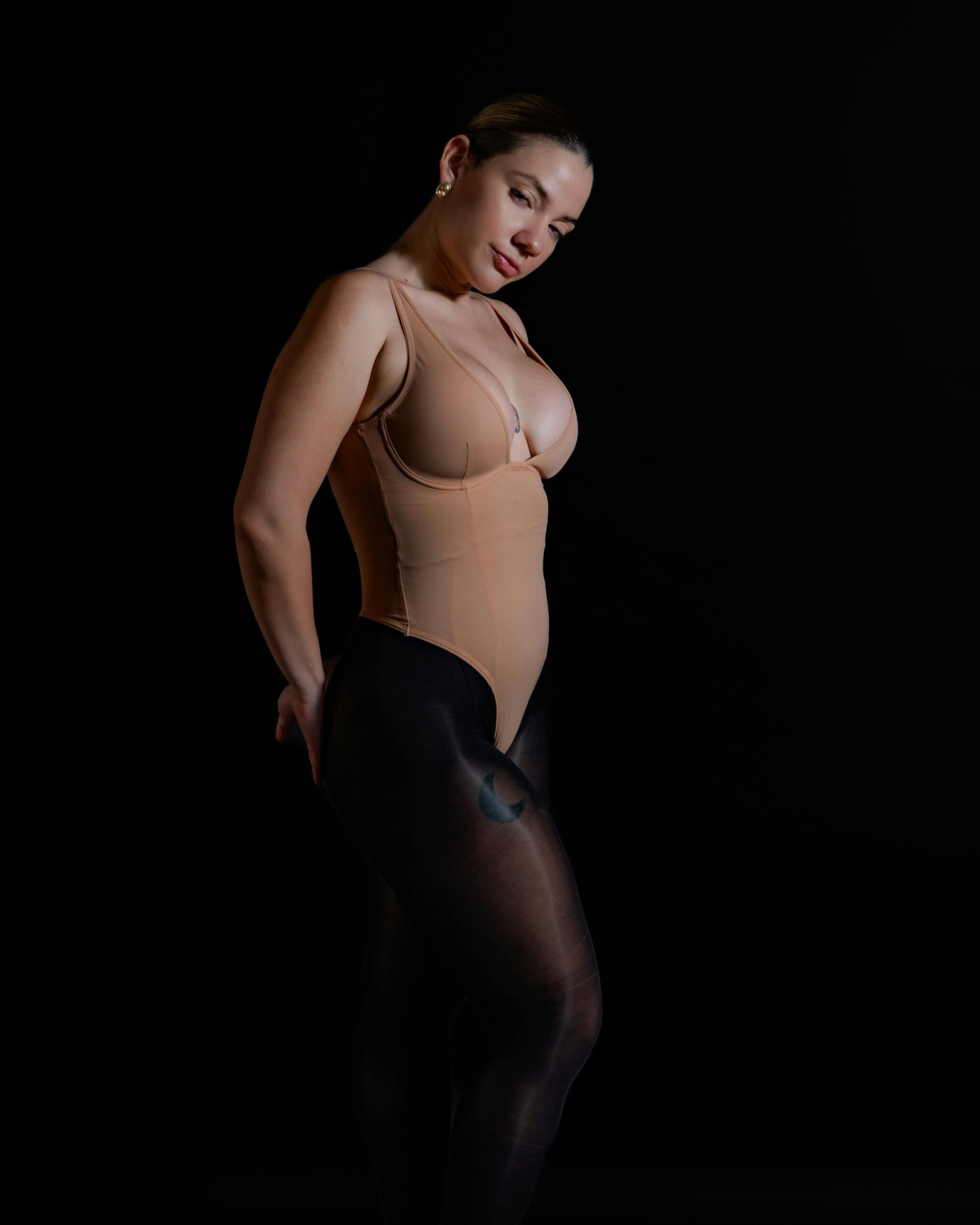
How Long Can I Wear Shapewear for Without Hurting Myself?
Shapewear makes your outfit fit better and emphasizes your waist. But like with any type of clothing, shapewear comes with risks if you wear it for too long, wear an incorrect size, or ignore the signals your body gives.
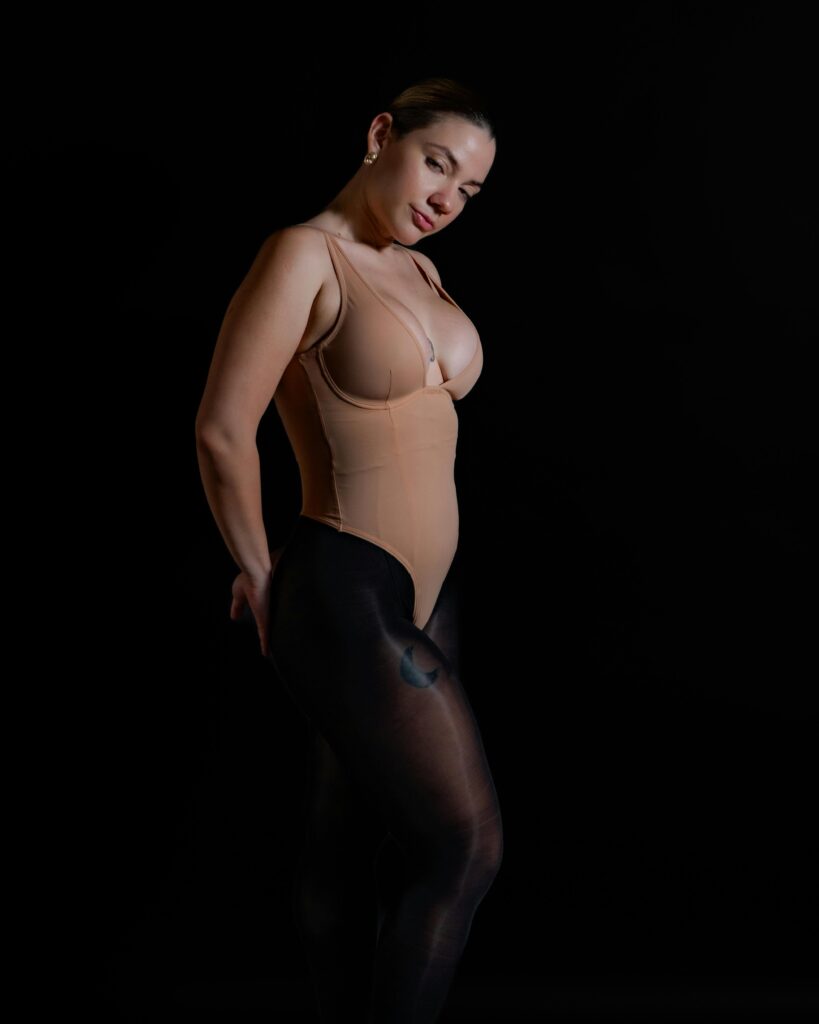
1. Is It Safe to Wear Shapewear Every Day?
For most healthy women, well‑fitted shapewear with light to moderate compression can be worn regularly, as long as you pay attention to comfort and give your body breaks during the day. Medical concerns usually appear when shapewear is extremely tight, worn for long continuous periods, or used aggressively to change your natural shape rather than gently smooth it.
If you choose breathable fabrics, the correct size, and light or medium compression for daily use, shapewear can be part of your wardrobe without major issues. It should not replace your normal underwear all day, every day, and it should never be treated as a tool for weight loss or permanent body reshaping.
There is no strict time limit that applies to every woman, but many specialists and brands suggest keeping firm‑control shapewear to about 6–8 hours per day at most. Light‑compression pieces designed for comfort can often be worn longer, as long as they are not digging into your skin, restricting your breathing, or causing pain.
A simple way to think about wear time:
- Light compression (gentle smoothing): comfortable for several hours or daily wear if you feel good and can move easily.
- Medium compression (shaping plus comfort): suitable for workdays or outings, but it is better to take breaks—especially if you sit for long periods.
- Firm or high compression (strong sculpting): best reserved for special occasions and shorter events, not from early morning until late at night.
If you notice intense pressure, numbness, tingling, pain, or trouble taking a deep breath before you reach those time frames, remove the garment immediately. Your body—not a number of hours—is the most reliable guide.
3. Possible Health Risks of Wearing Shapewear Too Long
Shapewear works by compressing the body, and when that compression is excessive or constant, it can trigger a range of discomforts and, in some cases, health issues.
3.1 Digestive discomfort
Very tight garments around the abdomen can press on the stomach and intestines. This extra pressure may contribute to:
- Bloating and gas
- Slower digestion or constipation
- Worsening of reflux or heartburn, especially after large meals
Women who already struggle with digestive problems are more likely to feel these effects if they wear strong‑compression shapewear for many hours in a row.
3.2 Breathing difficulties
High‑waisted shapewear that covers the upper abdomen and ribs can limit how fully your diaphragm and lower lungs expand. This can lead to:
- Shortness of breath
- Light‑headedness or dizziness
- Rapid, shallow breathing instead of deep, relaxed breaths
These problems are more common when the garment is extremely tight, combined with physical activity, or worn continuously without breaks.
3.3 Circulation and nerve issues
Intense compression can also interfere with blood flow and press on certain nerves, particularly around the waist, hips, and thighs. You might notice:
- Numbness or tingling in the legs
- Pins‑and‑needles sensations or cramping
- Increased risk of varicose veins or, in rare cases, blood clots in people already at high risk
In some cases, doctors have reported a condition called meralgia paresthetica, where tight clothing compresses a nerve in the upper thigh, causing pain, burning, or abnormal sensations.
3.4 Skin irritation and infections
When shapewear is made from non‑breathable fabrics and worn for long periods, it can trap heat, sweat, and friction against the skin. This is especially common in areas such as the groin, under the bust, and between the thighs. Over time, this may result in:
- Redness, rashes, and irritation
- Itching and chafing
- Bacterial or yeast infections in warm, moist folds of skin
Good hygiene, breathable materials, and changing out of shapewear once you get home can significantly reduce these risks.
4. How to Choose Shapewear That Feels Safe and Comfortable
4.1 Get the right size
One of the most damaging mistakes is choosing shapewear one or two sizes smaller to “snatch” the waist more. In reality, this often leads to:
- Pain, bruising, and deep marks on the skin
- Rolling or bunching at the waist or thighs
- Extra bulges where the fabric cuts into the body
Use the brand’s size chart, measure your waist and hips accurately, and respect the recommended size. Shapewear should feel snug and supportive, but you should still be able to breathe deeply, sit, walk, and bend without pain.
4.2 Match compression level to your lifestyle
Think about when and why you will wear shapewear:
- For everyday smoothing at work or while running errands, choose light or medium compression that prioritizes comfort and movement.
- For a dramatic sculpted look at a party, wedding, or photoshoot, firm compression can be appropriate—but only for a limited number of hours, not the entire day and night.
The goal is not to feel squeezed or trapped but to feel gently supported—like a hug, not a vise.
4.3 Choose breathable, skin‑friendly fabrics
Fabric quality is just as important as size. For comfort and skin health:
- Look for lightweight, breathable materials with moisture‑wicking properties.
- Prefer cotton or bamboo blend panels in areas that touch sensitive skin.
- Avoid very thick, plastic‑like fabrics for long days, hot weather, or warm indoor environments.
5. Warning Signs: When You Should Take Shapewear Off Immediately
Your body will usually tell you when shapewear is too tight or has been on for too long. Remove it right away if you experience:
- Sharp or increasing pain
- Numbness, tingling, or burning sensations
- Difficulty taking a full breath
- Severe bloating, cramps, or chest discomfort
- Red, angry marks that do not fade shortly after taking it off
If any of these symptoms continue even after you remove the garment, it is a good idea to talk to a healthcare professional—especially if you have existing medical conditions related to the heart, lungs, veins, or digestion.
6. Practical Tips for Wearing Shapewear Safely
To enjoy the smoothing and sculpting benefits of shapewear while protecting your health, keep these guidelines in mind:
- Limit wear time: aim for short to moderate sessions (up to around 6–8 hours), instead of wearing it 14–16 hours a day.
- Rotate pieces: do not wear your firmest garment every single day; alternate with lighter, more comfortable options.
- Take breaks: remove shapewear when you get home, during long trips, or between events so your body can relax and your skin can breathe.
- Avoid sleeping in firm compression: nighttime is when the body needs freedom to move, recover, and circulate blood properly.
- Skip shapewear during intense workouts: for exercise, sportswear and supportive leggings are safer; strong compression can restrict breathing and movement.
- Prioritize hygiene: wash your shapewear regularly according to the care label, and make sure your skin is clean and fully dry before putting it on.